Key Takeaways for Roll Shell Life Management:
- 3 Progression Stages: Initial Break-In (surface smoothing), Mid-Term Stabilization (peak efficiency), and Late Wear Threshold (performance decline).
- 3 Practical Inspection Signals: Monitor output gradation consistency, visually inspect roller face grooving/cracks, and track subtle hourly tonnage drops.
- Proactive Maintenance Wins: Hardface overlay welding on the roller face before base metal failure restores profile geometry at a fraction of full replacement cost.
- Uniform Feed Equals Longer Life: Controlling top feed size and using full-width metered distribution prevents localized grooving and maximizes total lifespan.
Determining how long a double roll crusher shell will last isn’t a guessing game—it follows a predictable wear curve. Roll shells progress through three distinct operational phases: Initial Break-In, Mid-Term Stabilization, and the Late Wear Threshold. By understanding these stages and tracking key performance indicators, aggregate producers can schedule hardface repairs or liner replacements precisely, eliminating unexpected downtime and maximizing profit margins per ton.
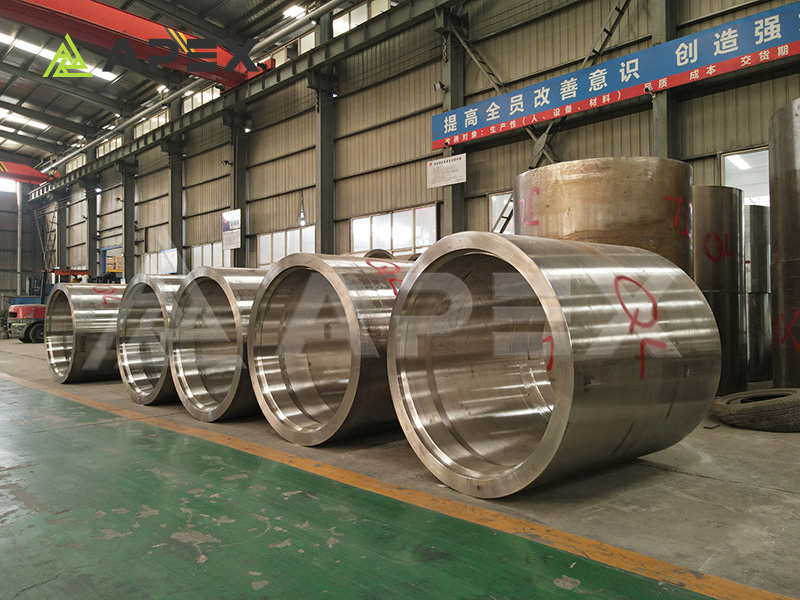
APEX Heavy Industry Double-roll Crusher Roll Shells
1. The Three Stages of Roll Shell Wear
Stage 1: Initial Break-In Phase (Settling In)
When new alloy roller shells enter service, microscopic surface irregularities smooth out under initial material compression. Wear appears slightly accelerated during these first few weeks, and discharge sizing may experience minor fluctuations. This is standard mechanical bedding and requires no intervention.
Stage 2: Mid-Term Stabilization Phase (Peak Efficiency Window)
The roller surface reaches a work-hardened, stable state. Abrasion rate slows significantly, output gradation stays highly uniform, and daily throughput remains rock-solid. This phase represents 70%–80% of total shell service life and generates the highest operating ROI.
Stage 3: Late Wear Threshold Phase (Reaching the Limit)
Surface material reaches its wear limit. Roller gaps widen unevenly, particle size distribution grows coarser, and hourly tonnage drops as smooth rocks slip. This signals the exact time to schedule on-site hardface rebuilding or shell replacement.
2. Identifying Your Shell’s Current Stage (Without Tools)
| Inspection Focus | Normal Operating Condition (Stage 2) | Warning Signs (Reaching Stage 3) |
|---|---|---|
| 1. Discharge Gradation | Uniform cubical aggregate matching target mesh specs. | Coarse, oversized discharge with fluctuating fine ratios. |
| 2. Roller Face Profile | Level, even surface across the full face width. | Visible center gouging, deep circular grooves, or surface micro-cracks. |
| 3. Hourly Tonnage Output | Steady rated TPH matching plant targets. | Unexplained TPH decline caused by rock slippage on worn faces. |
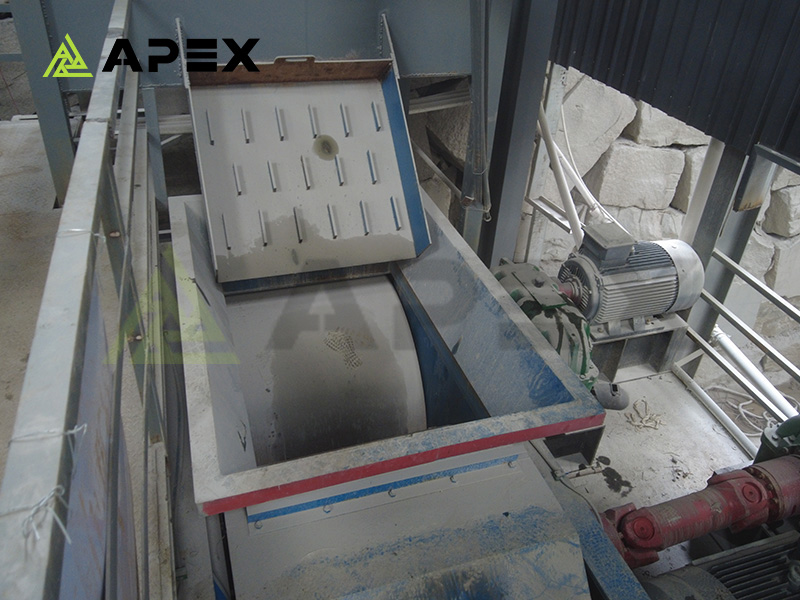
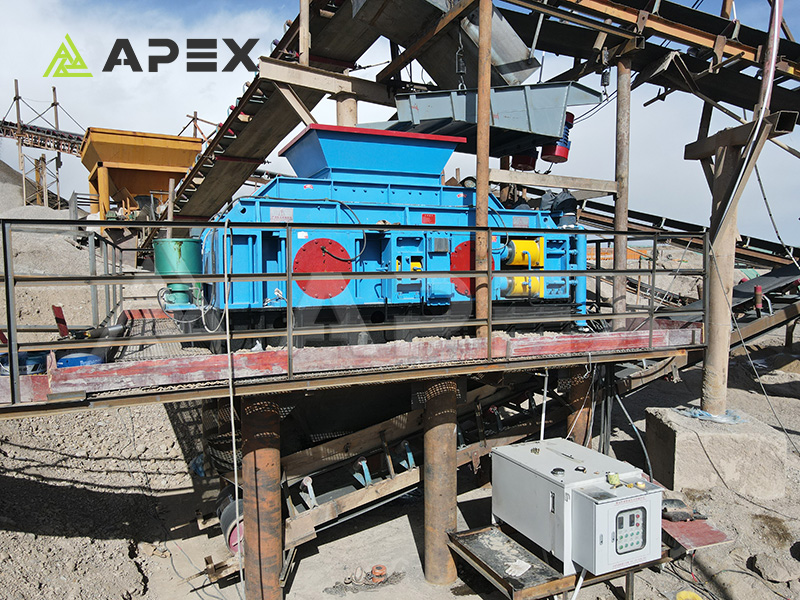
Double-roll crusher in operation
3. When & How to Perform Cost-Effective Maintenance
- Rebuild Before Base Metal Damage: Perform maintenance as soon as Stage 3 signs appear. Waiting until the shell cracks or wears down to the core hub increases repair complexity and cost.
- Prioritize Hardface Welding Over Complete Replacement: When the shell structure remains intact but surface grooves appear, apply hardface alloy welding overlay directly on-site. Rebuilding the surface costs significantly less than a new set of roller sleeves.
- Scheduled Preventative Downtime: Align roll refurbishment with planned plant maintenance windows to prevent emergency shutdowns during peak production runs.
4. Proactive Roll Shell Lifespan Management
- Maintain Cumulative Wear Logbooks: Log weekly gap measurements and tonnage totals to establish empirical wear trends and accurately forecast repair schedules 【Custom Parameters Available】.
- Strict Top-Size Control: Screen out tramp iron and oversized boulders to eliminate shock impacts and deep surface gouging.
- Full-Width Material Distribution: Use vibrating distributors to spread material across the entire width of the rollers, ensuring even surface wear rather than center channeling.
- Select Application-Matched Alloy Shells: Specify high-manganese composites for heavy impact loads or high-chromium alloys for abrasive silica feeds.
Optimize Your Plant’s Roller Lifespan & Maintenance Strategy:
Huashengming Heavy Industry provides custom alloy shell metallurgies, hardfacing technical guidance, and fast-ship replacement inventory.
Contact apex engineers today to discuss your site’s roll shell wear management plan or schedule a free material sample trial test.
Hot Products
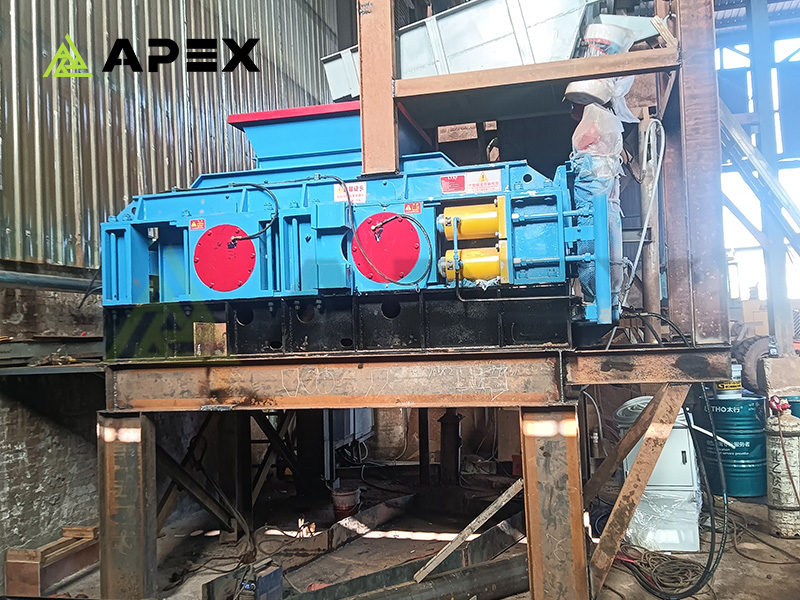
Double Roll Crusher Selection Guide: Sizing Machinery Based on Raw Feed Parameters
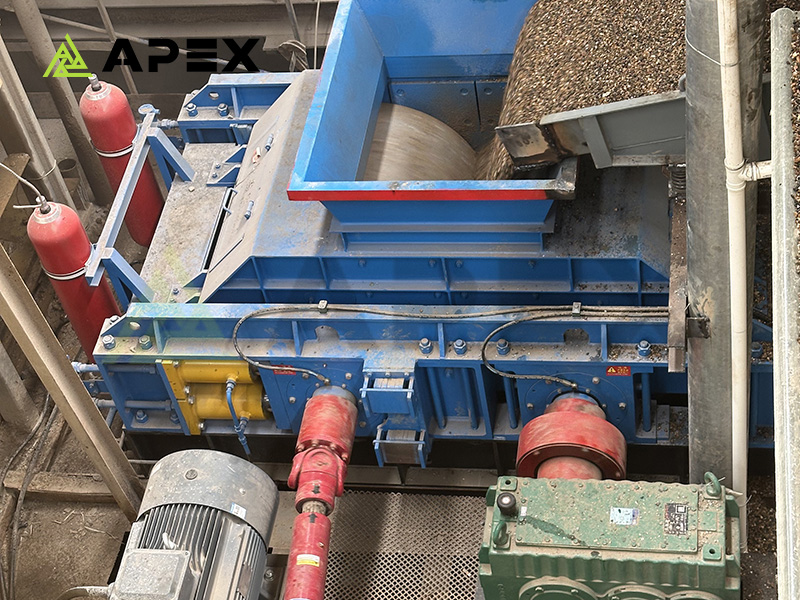
Can a Double Roll Crusher Grip Smooth River Pebbles? Physics & Performance Analysis
Where a Double Roll Crusher Fits in a Crushing Circuit
Troubleshooting Excessive Fines and Over-Crushing in Double Roller Crushers & Control Strategies
